When I published my first article, I genuinely believed the hard part was over. Write good content, hit publish, and the readers will come. That belief lasted about three months.
In my 10+ years of running blogs, I have made almost every mistake a blogger can make. I chased the wrong keywords, ignored my email list, and spent money on tools I never used. Some of those mistakes cost me time, and a few cost me real money.
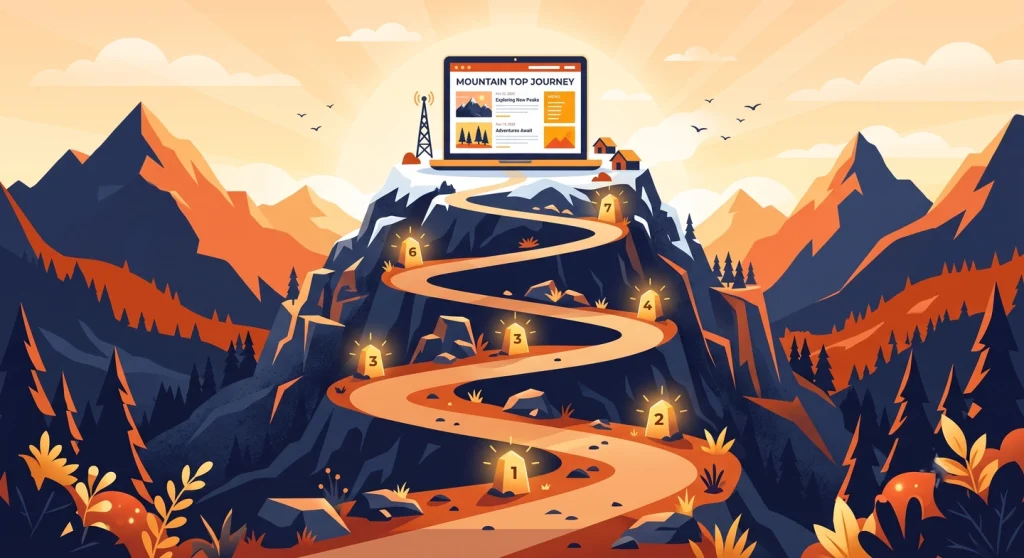
So in this article, I am sharing the 7 blogging lessons that took me years to learn. If you are starting out, or stuck at the stage where nothing seems to move, these should save you from learning them the hard way.
What Do I Mean by Blogging Lessons?
Blogging lessons are the practical insights you gain only by running a real blog over time — covering content, traffic, money, and mindset. They are different from beginner tutorials because they come from what actually happened, not what is supposed to happen.
Tutorials tell you how to install WordPress. Lessons tell you why your traffic graph stayed flat for eight months even though you did everything the tutorial said. Both matter, but only one of them keeps you going.
Let’s get into them.
1. Your Blog Should Not Compete With the Best

This was my biggest early mistake. I looked at the top blogs in my niche and tried to write the same kind of articles they wrote, on the same topics, hoping to rank alongside them.
It doesn’t work that way. Established sites have years of authority, thousands of backlinks, and full-time teams. A new blog competing with them head-on is like opening a corner shop next to a supermarket and stocking the exact same items.
What worked for me was going narrower. Instead of “how to start a blog”, I wrote about the specific problems I had actually solved — the odd theme conflict, the exact migration steps, the plugin comparison nobody else had done hands-on. Specific beats broad when you are small. The big sites can’t cover every narrow question, and that gap is exactly where a new blog wins.
So before writing your next article, ask yourself one question. Can I add something here that the top 5 results don’t have — a real test, a personal result, a sharper angle? If the answer is no, pick a different topic.

2. Persistence Is the Key
Nobody tells you how long the quiet phase lasts. I published consistently for months while my analytics showed numbers I was embarrassed to share.
Most blogs are abandoned within the first year, and traffic is the reason. New sites typically need 6 to 12 months of consistent publishing before search engines start sending meaningful visitors. This means the bloggers who win are usually not the most talented ones — they are the ones still publishing when everyone else has quit.
I have seen this on my own sites. Articles I wrote and forgot about started ranking a year later, and some of my steadiest traffic today comes from posts that did nothing for the first six months. Blogging compounds. But compounding only works if you stay in the game long enough to collect it.
Though, persistence doesn’t mean blind repetition. If something hasn’t worked for six months, change the approach — not the commitment.
3. Blogging Can’t Be Done With Zero Investment
I know “start a blog for free” is a popular promise. I will be honest with you — a free blog is fine as a hobby, but it will hold you back the moment you get serious.
A basic self-hosted blog costs roughly $60–$100 per year for a domain name and shared hosting. That figure rises once you add a premium theme, an SEO plugin, or an email marketing tool. For me, the running cost of a serious blog has always landed somewhere between $150 and $300 a year, and I consider every bit of it money well spent.
Here is what that money actually buys you:
- A domain you own — your brand doesn’t live on someone else’s subdomain.
- Speed and uptime — slow hosting quietly kills rankings and readers.
- Control — free platforms can change rules, show their own ads, or shut down.
- Professional tools — a good theme and SEO plugin save hours every single week.
Now, you don’t need to spend big on day one. Start with a domain and decent hosting, and add tools only when a real problem demands them. But budget something. A blog with zero investment usually gets zero commitment too.
4. You Should Treat It Like a Business
For my first few years, I treated my blog like a diary with an audience. I wrote when I felt like it, about whatever I felt like, and measured nothing.
The shift happened when I started asking business questions. Who is this blog for? Which articles bring traffic, and which bring income? What should I publish next quarter, and why? The moment I had answers, the blog stopped drifting.
Treating a blog like a business doesn’t mean becoming corporate. It means three simple habits:
- A content plan — decide topics ahead of time instead of staring at a blank screen.
- Basic metrics — check what is working monthly, not obsessively but regularly.
- A monetization path — know how the blog will earn, even if that day is a year away.
In practice, the real difference you’ll notice is consistency. A hobby waits for motivation. A business shows up on schedule, and search engines reward exactly that behaviour.
5. Content Is Not the Only King
“Content is king” is the most repeated advice in blogging, and it is only half true. I have written articles I considered my best work that nobody read, and quick posts that brought traffic for years. The difference was never the writing alone.
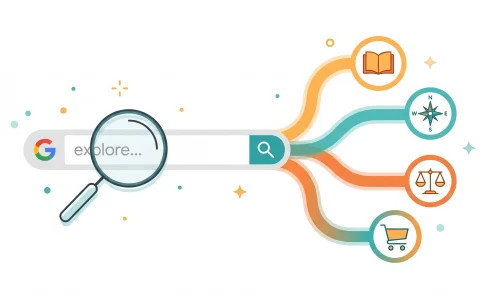
Great content that nobody distributes is a great article in an empty room. Search engines need to find it, which means SEO. Readers need to hear about it, which means email and social media. And visitors need to stay, which means a fast site and clean design — something I learned firsthand when speeding up my own WordPress setup moved rankings more than any single article did.
Google’s own guidance on helpful content makes the same point from the other side: quality is the entry ticket, not the whole game. Page experience, structure, and genuine usefulness all feed into whether content actually ranks.
So split your effort. My rough rule now is half the time creating content, half the time making sure it gets found — SEO, internal linking, email, and promotion. It felt wrong at first. The results said otherwise.
6. You Do Need Help
I am a do-it-myself person, so this lesson took me the longest. I wanted to write the content, design the site, fix the code, create the graphics, and handle the SEO — all alone.
You can do everything yourself. You just can’t do everything yourself well, and the things you do badly will quietly cap your growth. My turning point was admitting which tasks I was slow or mediocre at, and getting help for exactly those.
Help doesn’t have to mean employees. It can be:
- Freelancers for one-off jobs like a logo or a site audit.
- AI as your virtual assistant — research, outlines, images, and technical checks.
- Blogger communities where someone has already solved your exact problem.
- Your audience — readers will tell you what to write next if you ask.
The biggest shift here has been AI. I now treat AI as my first virtual assistant — it researches topics, outlines drafts, generates images, and even reviews my site’s technical setup. Work that once needed a freelancer or a full weekend now takes me an evening.
Though, notice the word assistant. AI can prepare the work, but the experience, opinions, and final judgement still have to come from you — readers and search engines can both tell the difference. I am documenting exactly how I use it, tool by tool, in my AI-powered blogging series.
But what about the cost? Here’s the reframe that worked for me: every hour I spend fighting a task I’m bad at is an hour not spent on the work only I can do. Paying for help — human or AI — isn’t an expense on top of the blog. It is part of running one.
7. Don’t Build Your Whole Blog on Google Traffic

This is the lesson I would tattoo on every new blogger’s wrist. For years, almost all my traffic came from Google search, and it felt great — until algorithm updates reminded me that traffic I don’t control isn’t really mine.
Search traffic can drop 30–50% overnight after a core update, even for sites doing nothing wrong. With AI-powered search now answering many questions directly on the results page, depending on a single traffic source is riskier than it has ever been. The blogs that survive these shifts are the ones that own a direct line to their readers.
That direct line is mostly your email list. A subscriber list is the one audience asset no algorithm can take away, which is why I now treat every article as a chance to earn a subscriber, not just a pageview. Social media followers help too — though remember those platforms are also rented land.
Start collecting emails from day one, even if your traffic is tiny. I waited years to take this seriously, and it is the single decision I regret most.

What I Would Tell My Day-One Self
If I could compress all seven lessons into one line, it would be this: a blog is a small business that grows slowly, costs a little, and rewards the people who keep showing up after the excitement wears off.
Pick a corner the big players ignore. Spend a little money without guilt. Promote as hard as you write, build your email list from the first week, and ask for help before you burn out.
And then — keep publishing. Everything else in blogging is negotiable, but that part never is.
FAQ’s about Blogging
How long does it take for a blog to get traffic?
A new blog typically takes 6 to 12 months of consistent publishing to see meaningful search traffic. Search engines need time to trust a new site, so early months often show very little movement. The growth curve is slow at first and then compounds, which is why most successful bloggers describe year two as the turning point.
How much does it cost to run a blog?
The cost of running a blog starts at roughly $60–$100 per year for a domain and shared hosting. A serious setup with a premium theme, SEO tools, and email marketing usually lands between $150 and $300 per year. You can start at the low end and add tools only when a specific problem justifies them.
Is blogging still worth it in AI era?
Blogging is still worth it in AI era, but the strategy has changed. AI search answers generic questions directly, so generic content struggles — while first-hand experience, original data, and a specific niche are rewarded more than ever. Blogs that build email lists and diversify beyond Google traffic remain durable businesses.
Do I need to publish every day to grow a blog?
No, you do not need to publish daily to grow a blog. Consistency matters far more than frequency — one well-researched article every week beats seven thin ones. Pick a schedule you can sustain for a year, because the bloggers who win are the ones who don’t stop.